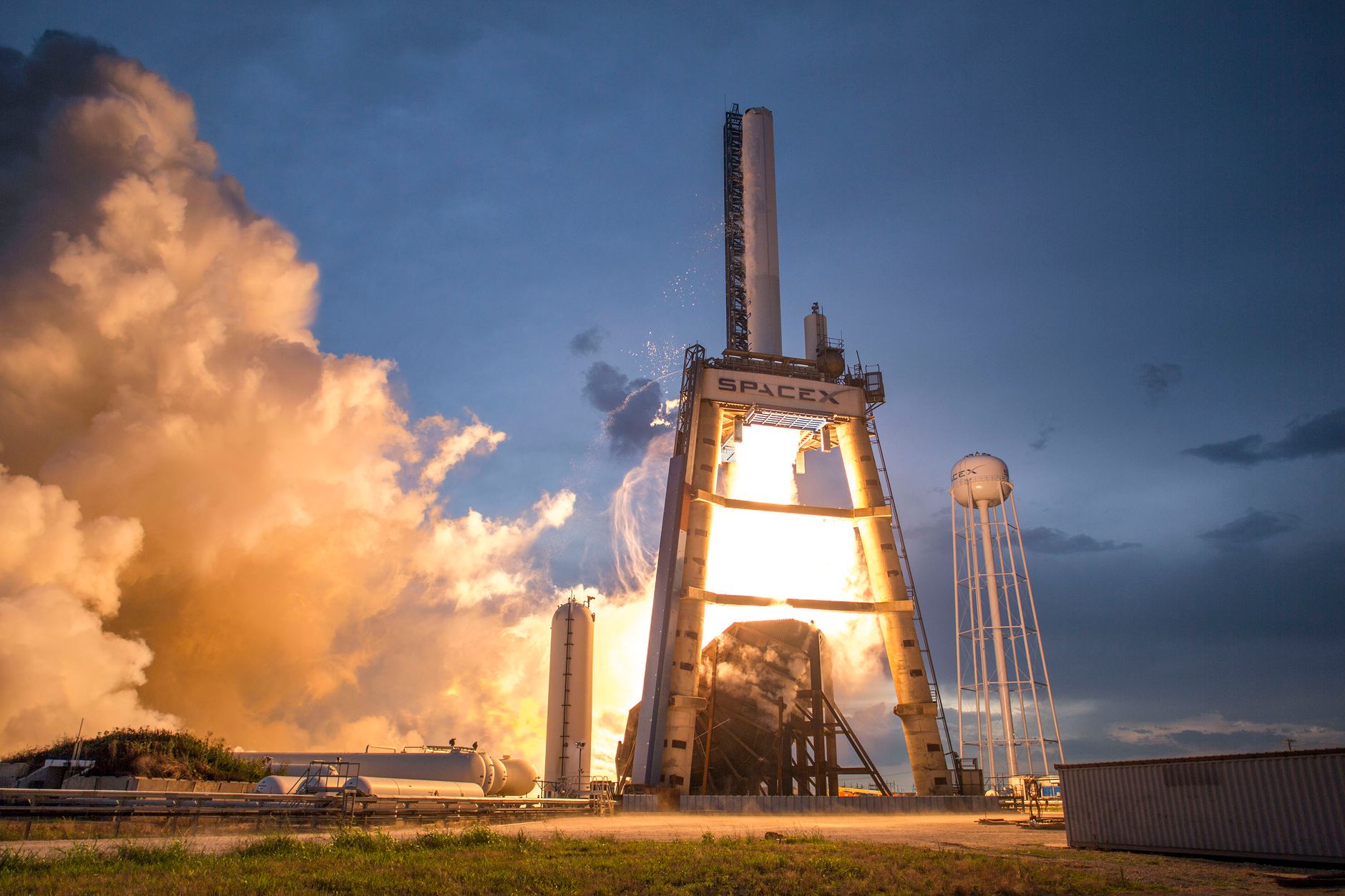
Nuri satellite launch has achieved a significant milestone with its fifth successful deployment, showcasing advancements in space technology and commercialization efforts.
Overview of Nuri’s Successful Launch
The recent Nuri satellite launch marks a significant milestone for the South Korean space industry. This successful mission, which is the fifth of its kind, showcases the growing capabilities of the nation in accessing space and deploying satellites effectively.
During the launch, the Nuri rocket demonstrated its reliability and precision. Key aspects of the mission included:
- Multiple Satellite Deployment: The Nuri rocket successfully placed several satellites into their intended orbits, demonstrating its versatility in handling different payloads.
- Technical Innovations: The launch incorporated advanced technologies that enhanced the rocket’s performance and efficiency, showcasing South Korea’s engineering prowess.
- Commercialization Efforts: With this launch, South Korea takes a step closer to establishing a commercial space industry, aiming to attract international clients for satellite launches.
As the country builds on this success, the Nuri satellite launch not only reinforces national pride but also positions South Korea as a competitive player in the global space sector. The future holds promising prospects as the nation continues to advance its space ambitions.
The Importance of Multi-Satellite Deployment
The recent Nuri satellite launch has underscored the significance of multi-satellite deployment in advancing space exploration and technology. As nations and private enterprises increasingly turn their attention to the cosmos, the ability to deploy multiple satellites simultaneously enhances efficiency and reduces costs.
Multi-satellite missions allow for:
- Increased Coverage: By launching several satellites at once, operators can achieve broader geographical coverage and improve data collection.
- Cost-Effective Solutions: Launching multiple satellites in a single mission minimizes expenses associated with separate launches, thus making space more accessible.
- Enhanced Collaboration: Different organizations can collaborate on shared missions, pooling resources and expertise to tackle complex challenges.
- Rapid Deployment: The ability to deploy multiple satellites quickly can be crucial in responding to urgent global needs, such as disaster monitoring.
With the successful Nuri satellite launch, South Korea has demonstrated its capabilities in this arena, paving the way for further advancements. The implications for the commercialization of space are profound, as multi-satellite deployment becomes a cornerstone of future ventures.
Challenges in Space Commercialization
The recent Nuri satellite launch has highlighted significant challenges in the commercialization of space. As nations and private entities increasingly invest in satellite technology, the path to profitability remains complex.
One primary challenge is the high cost of launching and maintaining satellites. While advancements in technology have reduced some expenses, the initial investment can still be a barrier for many companies looking to enter the market. Additionally, the competition among countries and companies intensifies, making it difficult for new players to establish a foothold.
Another concern involves regulatory hurdles. Navigating the legal landscape for satellite deployment can be daunting, with numerous regulations in place to ensure safety and compliance. This complexity often deters potential investors and innovators.
Furthermore, developing reliable partnerships within the space sector is essential. Collaborating with experienced entities can mitigate risks but may also require sharing proprietary technology and data, which some companies may be reluctant to do.
In summary, while the Nuri satellite launch represents a significant achievement, addressing these commercialization challenges will be crucial for the continued growth of the space industry.
Future Prospects for Nuri
The recent success of the Nuri satellite launch has opened new avenues for the future of space exploration and commercialization. As South Korea continues to develop its capabilities in the aerospace sector, several prospects emerge for both government and private entities.
One significant area of growth is the potential for enhanced partnerships between South Korean firms and international organizations. Collaboration can lead to shared resources, technology exchange, and a broader market reach. This synergy may accelerate the development of more advanced satellites and space missions.
Moreover, the success of the Nuri satellite launch demonstrates the feasibility of launching multiple satellites simultaneously. This capability can reduce costs and increase efficiency, making space more accessible to emerging companies.
Furthermore, as the demand for satellite services continues to rise, there is an opportunity for South Korea to position itself as a competitive player in the global space market. By focusing on research, innovation, and collaboration, the country can build a robust space industry that not only supports national interests but also contributes to international space initiatives.
In summary, the future prospects for Nuri and its implications for the space industry appear promising.
Comparing Nuri with Other Launch Vehicles
The Nuri satellite launch has garnered attention not only for its success but also for how it stacks up against other prominent launch vehicles in the industry. When comparing Nuri to its competitors, several factors come into play.
- Cost Efficiency: Nuri is designed to offer a more affordable option for satellite deployment, making it an attractive choice for countries and companies looking to minimize costs.
- Payload Capacity: With a capacity to carry multiple satellites in a single mission, Nuri’s design allows for greater flexibility compared to traditional launch vehicles.
- Launch Frequency: The ability to conduct regular launches positions Nuri as a competitive player, especially in a market that demands quick turnaround times.
- Technological Advancements: Incorporating cutting-edge technology, Nuri showcases advancements that enhance reliability and performance, essential traits when compared to established launch systems.
Overall, the Nuri satellite launch represents a significant step forward for its manufacturers, proving that it can hold its ground against more established players in the space industry.
Technological Advances in Rocket Design
The Nuri satellite launch marks a pivotal moment in the evolution of rocket design, showcasing significant technological advances that enhance payload capacity and efficiency. This latest launch demonstrates how modern engineering and innovative materials have redefined performance standards in the space industry.
Among the notable features of Nuri’s design are:
- Improved Propulsion Systems: Nuri utilizes a cutting-edge propulsion system that increases thrust while reducing fuel consumption, allowing for more efficient launches.
- Modular Design: The rocket’s modular components enable easy upgrades and repairs, fostering adaptability to various mission requirements.
- Advanced Avionics: Enhanced navigation and control systems ensure precision during launch and deployment, minimizing the risks associated with satellite placement.
- Lightweight Materials: The use of innovative materials reduces the overall weight of the rocket, improving lift capabilities and overall performance.
These advancements are not only vital for the success of the Nuri satellite launch but also for positioning South Korea as a competitive player in the global space market. As the country continues to refine its technology, further milestones await in the pursuit of sustainable space exploration.
Government Support for Space Initiatives
The Nuri satellite launch has not only showcased technological advancements but also highlighted the critical role of government support in fostering space initiatives. This backing is essential for ensuring the sustainability and growth of the space industry in the region.
In recent years, the government has implemented several policies aimed at enhancing space exploration and commercialization. These initiatives include:
- Funding and Grants: Financial support for research and development projects related to satellite technology and launch capabilities.
- Infrastructure Development: Investment in ground facilities and research centers to facilitate launch operations and satellite monitoring.
- International Collaboration: Partnerships with other countries and private companies to share knowledge and resources.
- Regulatory Framework: Streamlining regulations to make it easier for businesses to enter the space market.
These efforts are crucial for the success of missions like the Nuri satellite launch, which represents a significant step forward for the nation’s aspirations in the global space arena. Continued government engagement will be vital for overcoming commercialization challenges and expanding the industry’s reach.
Nuri’s Impact on the Global Space Market
The successful launch of the Nuri satellite has made a significant impact on the global space market. As nations increasingly seek to establish their presence in space, Nuri’s achievements provide a blueprint for emerging space agencies.
Key factors contributing to Nuri’s impact include:
- Cost-Effectiveness: Nuri’s design has been optimized to reduce launch costs, making it an attractive option for both government and private sector clients.
- Reliability: With its successful fifth launch, Nuri has demonstrated a strong track record, instilling confidence among potential customers.
- Technological Innovation: Nuri incorporates advanced technology, enhancing payload capacity and deployment flexibility.
The ripple effects of Nuri’s achievements can also be seen in increased collaboration among countries and private companies. This fosters innovation and investment in the space sector, ultimately leading to a more vibrant global market.
As more countries aspire to launch their own satellites, Nuri’s proven success sets a precedent, paving the way for further advancements and opportunities in the space industry. The implications of this launch extend well beyond national borders, influencing global space dynamics.
Photo by Léa Claisse on Pexels
Sources
Related reading
GTA 6 Review Copies: Best Proven Marketing Strategy · GNOME 50.6 Release: Best Updates for Easy Desktop Use · India Space Industry Growth: Proven Path to $40 Billion